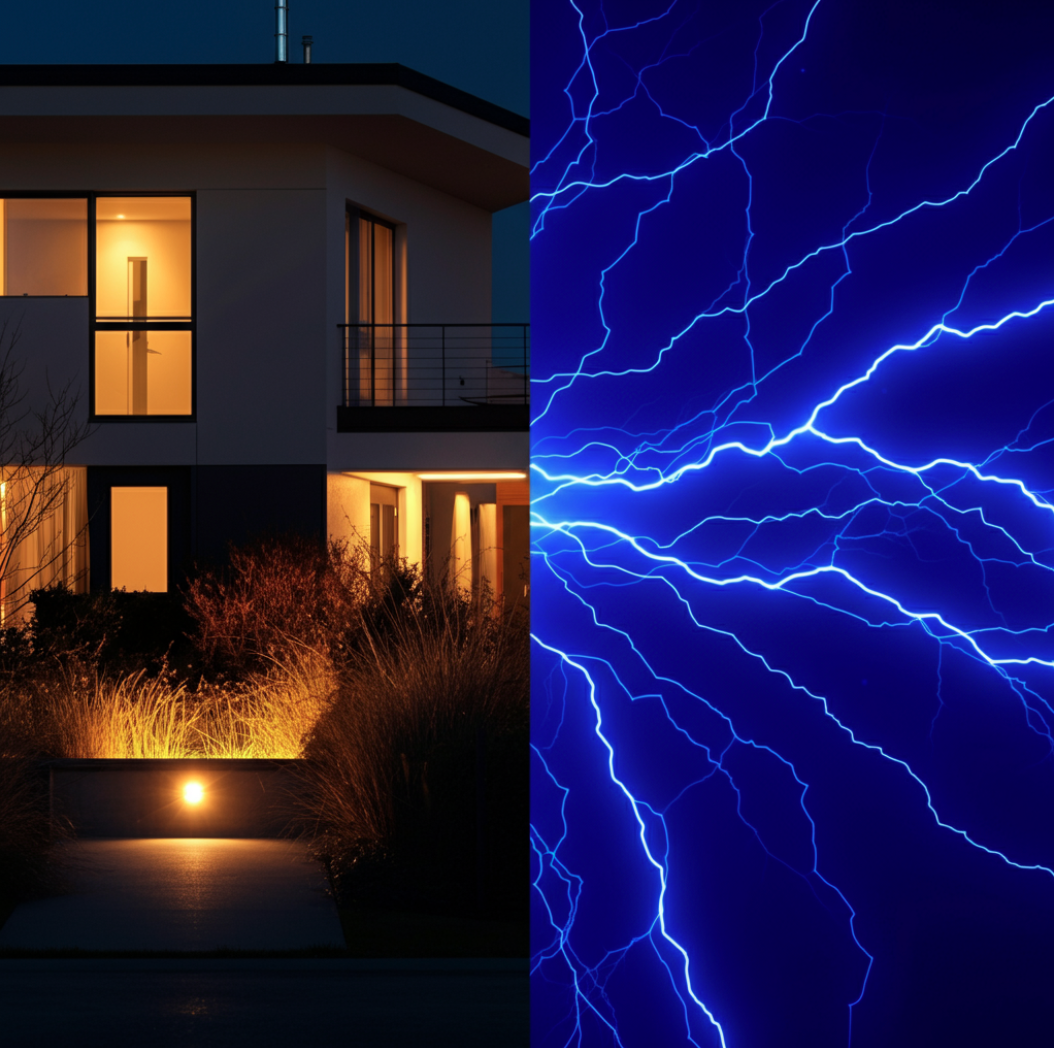
LED vs High Voltage Lighting: Choosing the Right Option

Understand the benefits and differences between LED low-voltage and high-voltage lighting. Prioritize safety, efficiency, and functionality for your needs.
LEDs and Low-Voltage Lighting: Safer, Smarter, and Efficient
LED lights, often paired with low-voltage systems, are a favorite for energy-conscious households and businesses. Operating typically at 12 to 24 volts, these systems are safer and more energy-efficient compared to their high-voltage counterparts.
One of the key benefits of low-voltage LED lighting is its reduced risk of electrical hazards. At lower voltage levels, there’s less risk of shocks and overheating, making these systems ideal for residential and outdoor setups. For instance, lawn and garden lighting often use low-voltage LEDs for safe, reliable illumination.
Energy efficiency is another significant advantage. LEDs consume considerably less electricity than traditional incandescent or halogen bulbs, leading to noticeable savings on energy bills. Since they produce less heat, they are also longer-lasting and environmentally friendly.
Low-voltage systems are highly adaptable. From dimmable lights to color-changing options for creating ambiance, the possibilities are endless.
High-Voltage Lighting: Power Meets Performance
High-voltage lighting systems, using a standard 120-volt circuit, deliver substantial power and brightness. They are widely used in industrial and commercial settings, where robust illumination is essential.
These systems are advantageous for intense, large-scale lighting needs. Outdoor floodlights or warehouse lighting often require the brighter intensity high-voltage setups provide. However, their higher operational voltage increases risks. Electrical shocks and overheating are more common with high-voltage systems if improperly managed.
The energy consumption of high-voltage lighting systems is higher, making them less suited for those prioritizing efficiency. Still, they offer unmatched brightness and utility in scenarios where lighting power takes precedence over cost or sustainability.
Choosing between LED low-voltage and high-voltage lighting depends on your needs. Low-voltage LEDs are safer, cost-efficient, and versatile, ideal for homes and outdoor use. High-voltage systems, while more robust, are better suited for industrial and large-scale operations. Prioritize safety, purpose, and energy efficiency when deciding what works best for you.